Ron Vinson: Reflections on 15 Years of PHC Leadership
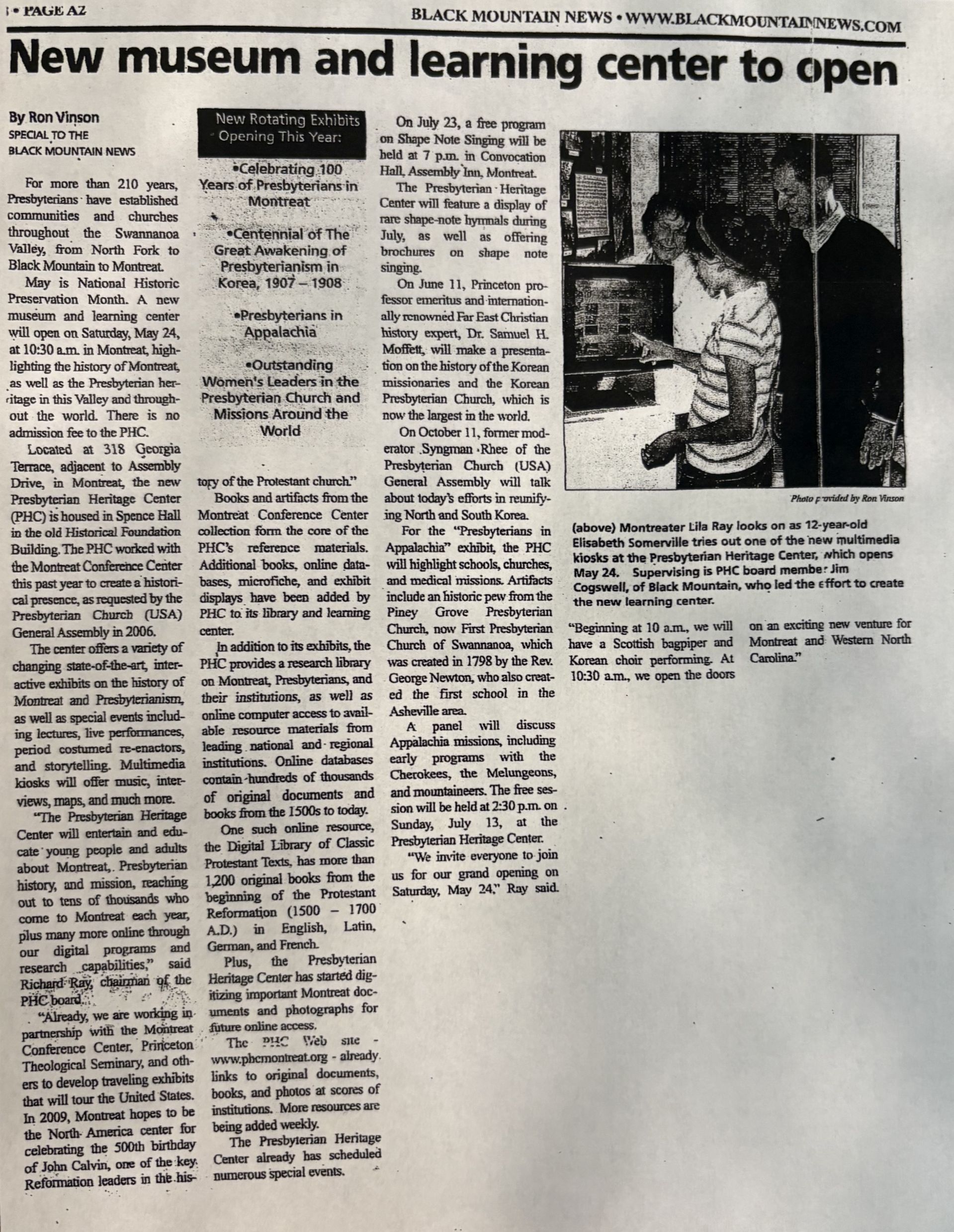
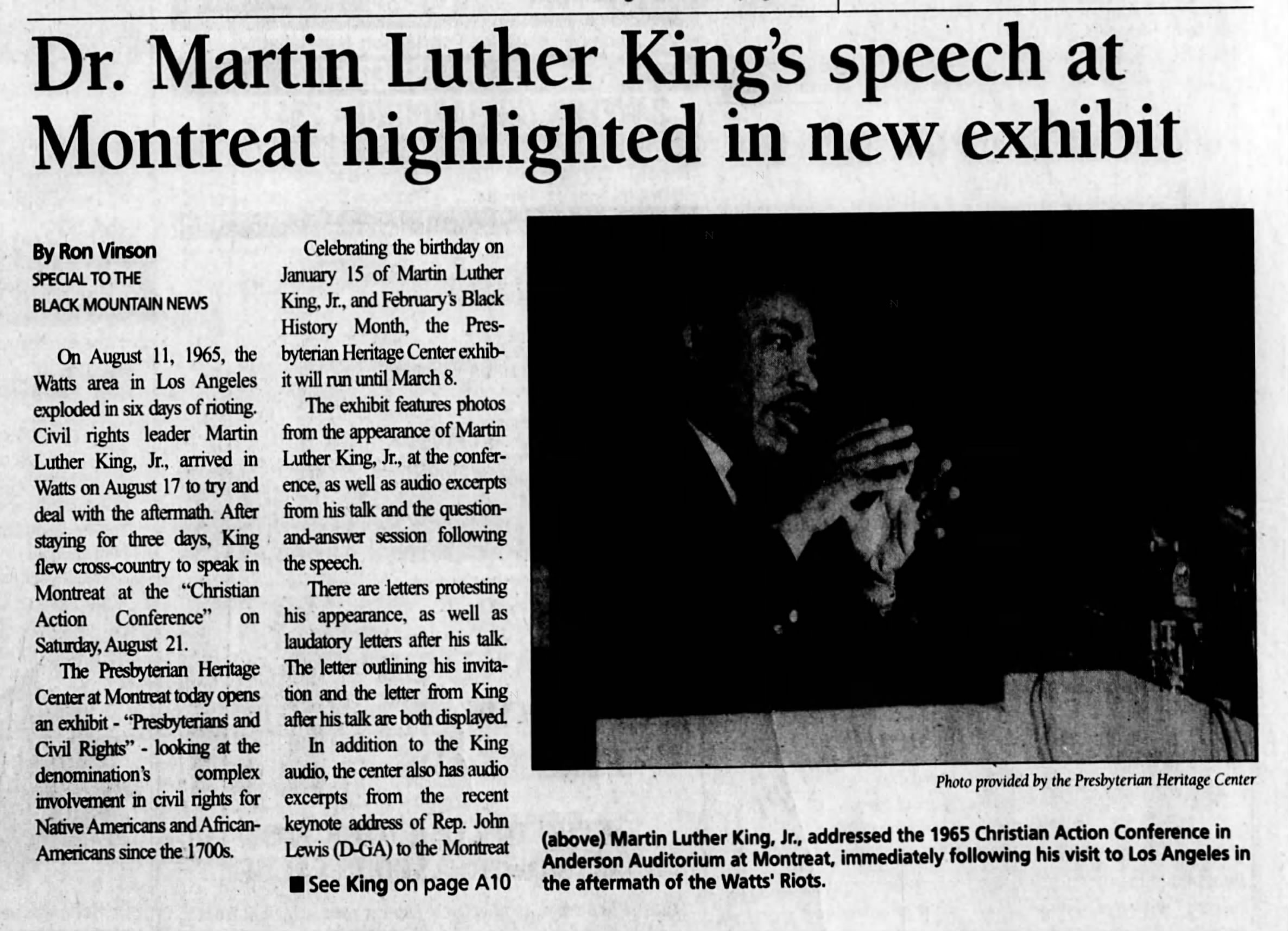
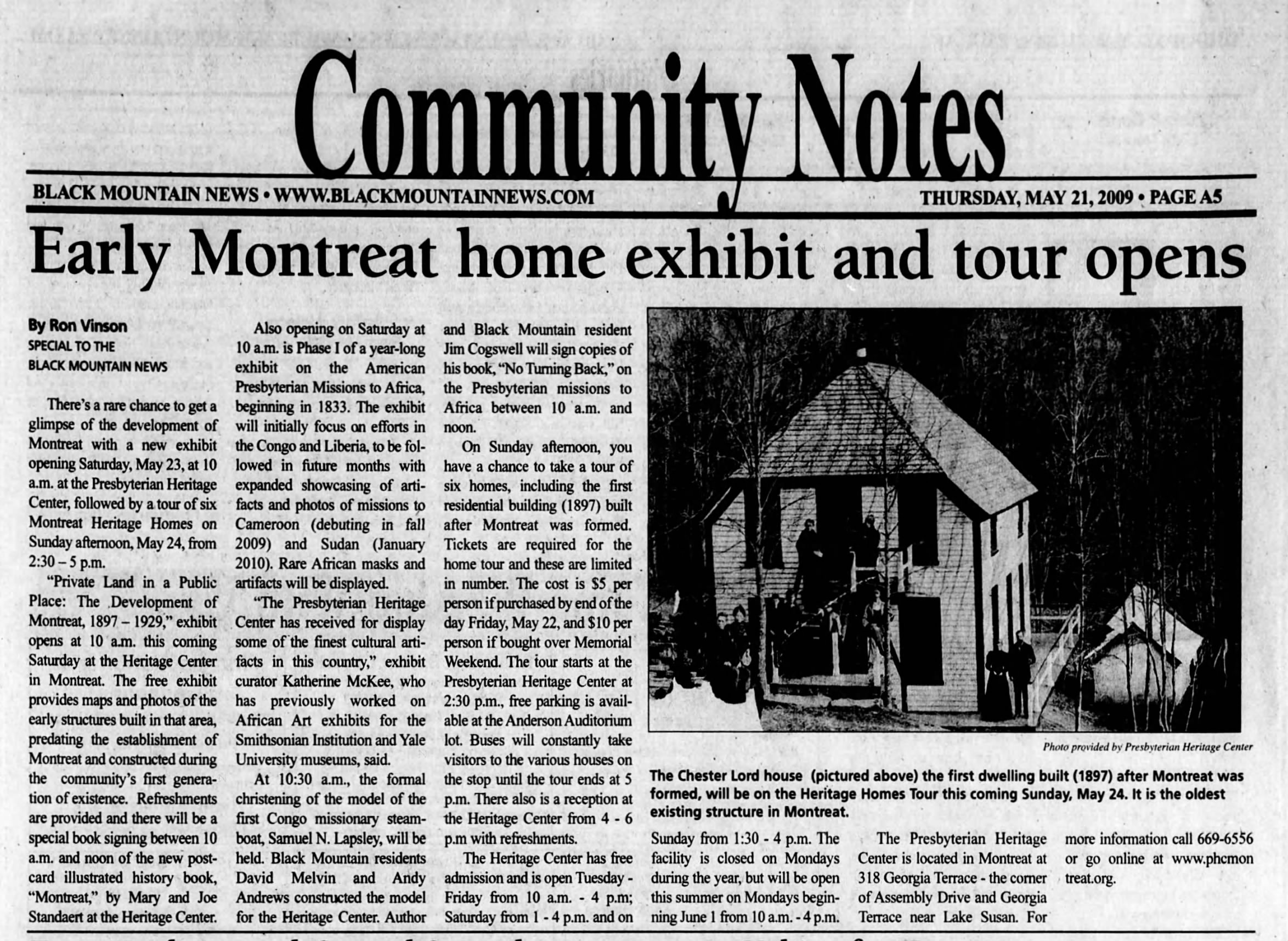
December 31, 2023, marks a momentous occasion for Ron Vinson and the Presbyterian Heritage Center. Ron is retiring after 15 years at the helm of the PHC. Ron was the PHC’s first Executive Director, responsible for transforming an empty building into the important educational, theological, and historical organization it is today.
To mark this important milestone, PHC Board member, Tom Widmer, sat with Ron recently to gain a perspective on Ron’s 15 years with the PHC. As a fitting tribute to Ron and his accomplishments, we share this interview.
TW: Thanks, Ron, for taking the time to share your reminisces of the past 15 years at the PHC. As a bit of perspective, what were you doing prior to coming to the PHC?
Ron: I was running my own company which was a marketing, research and general firm working with Fortune 100 companies, not-for-profits, and museums. I had been working with museums for several decades, especially with those involving history. We came to Montreat and I knew about the Historical Foundation and the Friends of the Historical Foundation at Montreat, who were trying to get something together after the Historical Foundation moved to Philadelphia. I talked with them about what to do and suggested there was a natural interest in mission, history and Presbyterianism at Montreat with a built-in audience. But I said don’t call it a museum—young people will run the other way! But you could call it something like the Presbyterian Heritage Center. That began the conversation. I wrote a business plan in the fall of 2007, which led to investigating space, negotiating with MRA and dealing with other organizational issues. Shortly after, I was asked to be the part-time Executive Director in early 2008.
TW: You were the first ED for the PHC. How did you feel walking into an empty building and starting something from scratch?
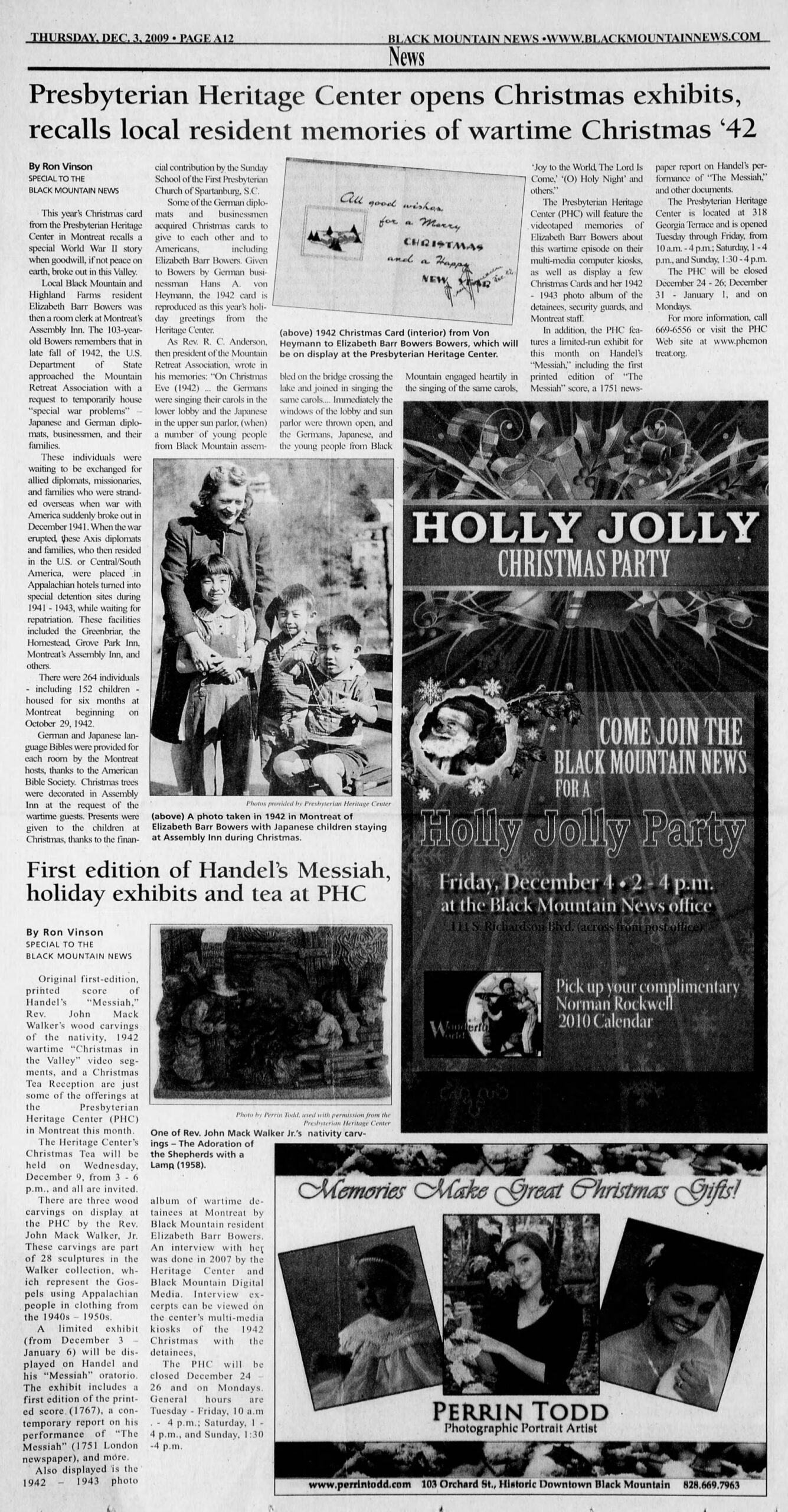
Ron: Well, it was interesting! The previous museum consulting I had done was with existing museums. I had a lot of experience with special exhibits and historical commemorative special activities, similar to start ups. I knew what the previous Historical Society had done, which was primarily an archive and not very friendly to visitors. My vision was to reach out with education and be entertaining while we educate. That meant run multiple exhibits, change them often, and stagger them so there’s always some reason to bring in repeat visitors. Get them in the first time, and they will come back. We followed the business plan and focused on the three primary areas in the plan: Montreat history exhibits, Presbyterian and reformed history, and global mission- something very important to the founding group. Everything else would be special exhibits like the 500th anniversary of the Reformation.
TW: Were you overwhelmed at first?
Ron: No, but we had very limited “band” from January of ’08 to May of ’08. It was basically me and some others I would hire people to help and I got volunteers putting exhibits together. I remember the first exhibit. It was the Great Korean Revival of 1907. It was a very simple panel exhibit with clothing and some other artifacts, although there wasn’t much left here except artifacts because they were bulky and weren’t taken to Philadelphia. We also did an exhibit on Women in the Presbyterian Church which covered the history issue. I believe that if it weren’t for women, there wouldn’t be any historical societies across the United States. I told them that we needed to be interactive where we could, not miles of copy text but 60% visual. I love innovation and new things so I thought I could provide an excellent service, but I also had a lot of fun. And, I’ve had a lot of fun for the past 15 years.
TW: What did the inside of the building look like?
Ron: There were some bookshelves that were built in, in the library. Everything else was stripped down. There was fluorescent lighting, very inadequate, and not much else. The one good thing is it had good bones. The HVAC system was good. We’ve added tremendously to it. We’ve added dramatic lighting; early on we added LED and fiber optic lighting, all important for conservation because it doesn’t use UV radiation which is bad for preservation. We’ve always pulled our weight and created the impression of excellence- I’ve always said we have a champagne look but only a beer budget.
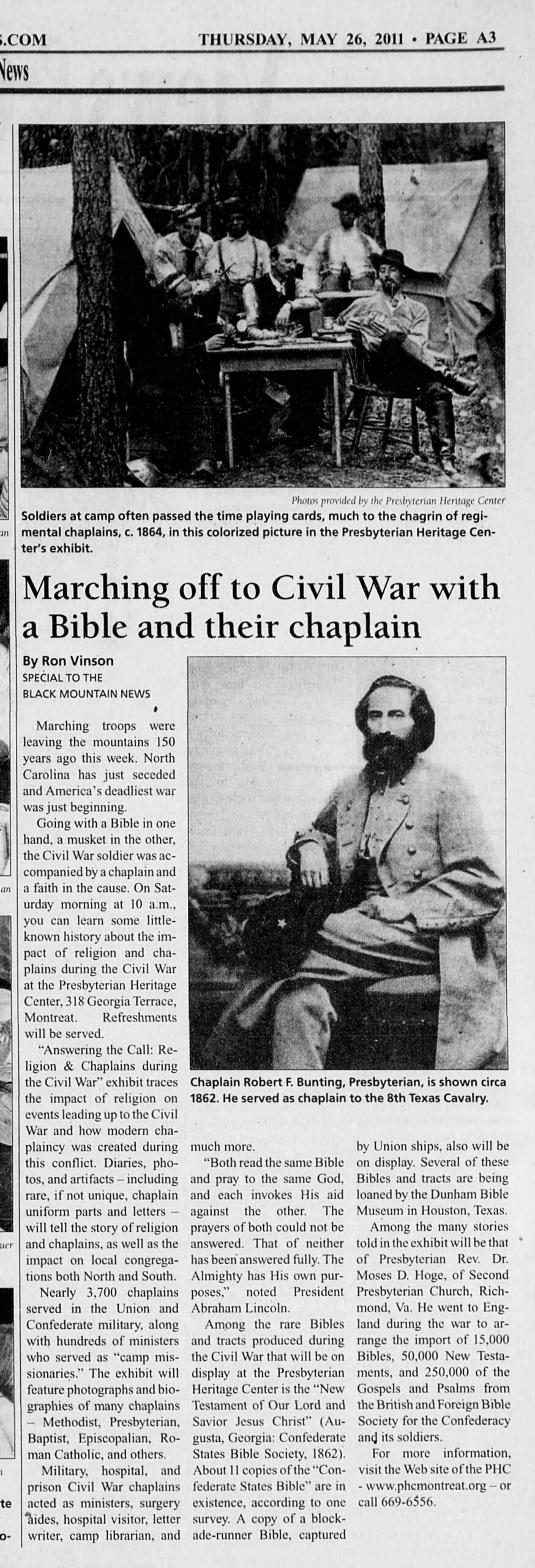
Here’s an example: we did an exhibit after about two years after we opened on chaplains in the American Civil War. There was a collector of Civil War armaments and other materials who lived in Black Mountain. He loaned us one or two things. He had envisioned that it would be a very elementary exhibit, not very sophisticated and home grown. Well, he walked in on our opening. We had built a tent for a chaplain and had his artifacts. He was stunned. He said, “I’ll be back.” He ran home and brought back scores of additional materials and he said, “I had a vision that this would be a very Western North Carolina elementary look, but this is what you can see in Manhattan.” We did such an interesting job on the exhibit that the National Civil War Chaplain’s Museum at Liberty University came to us and said, “We’d like to borrow some of your images because we don’t have them.” Hearing that made my heart sing.
TW: How would you say the focus of the PHC has changed over the past 15 years?
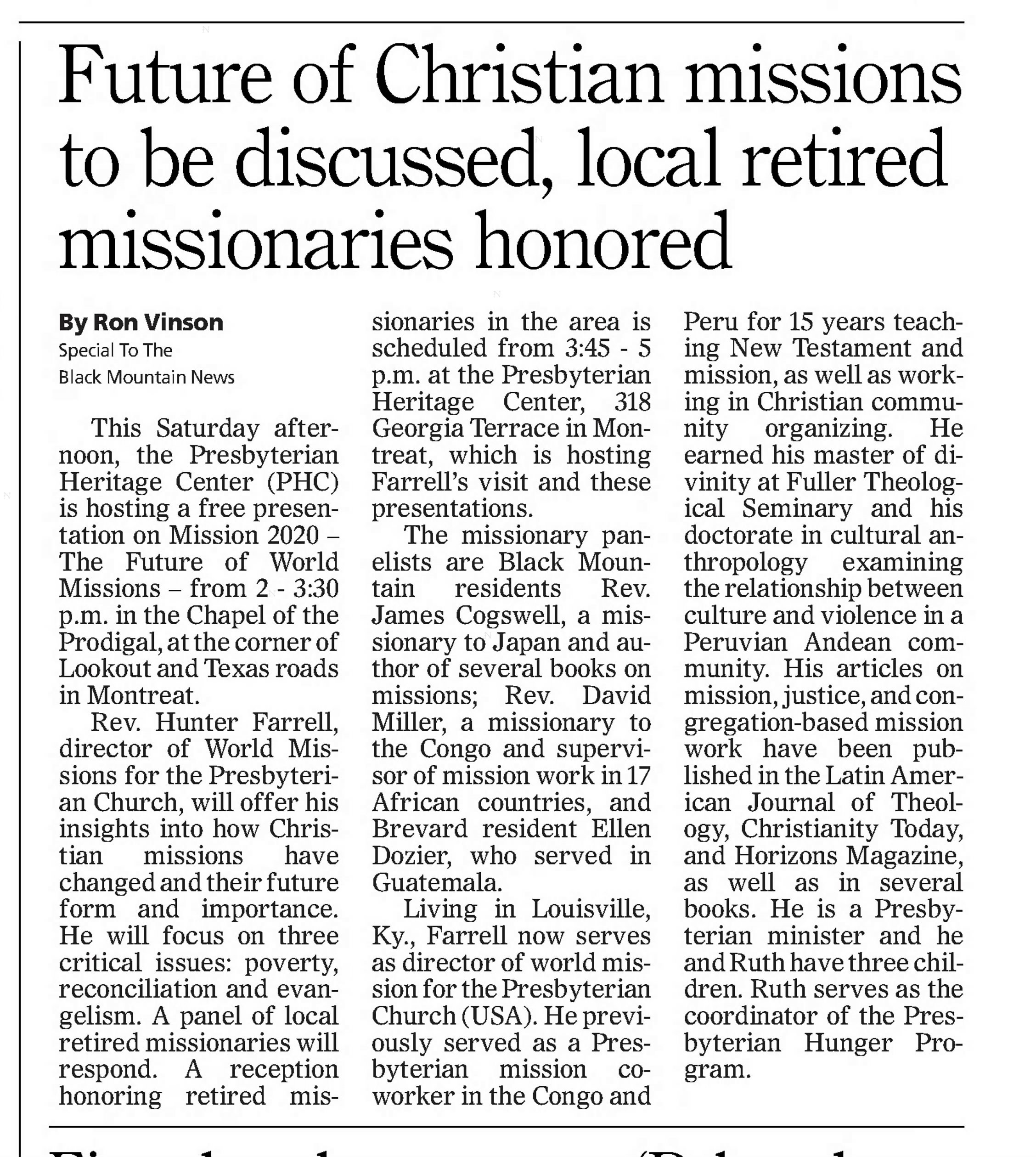
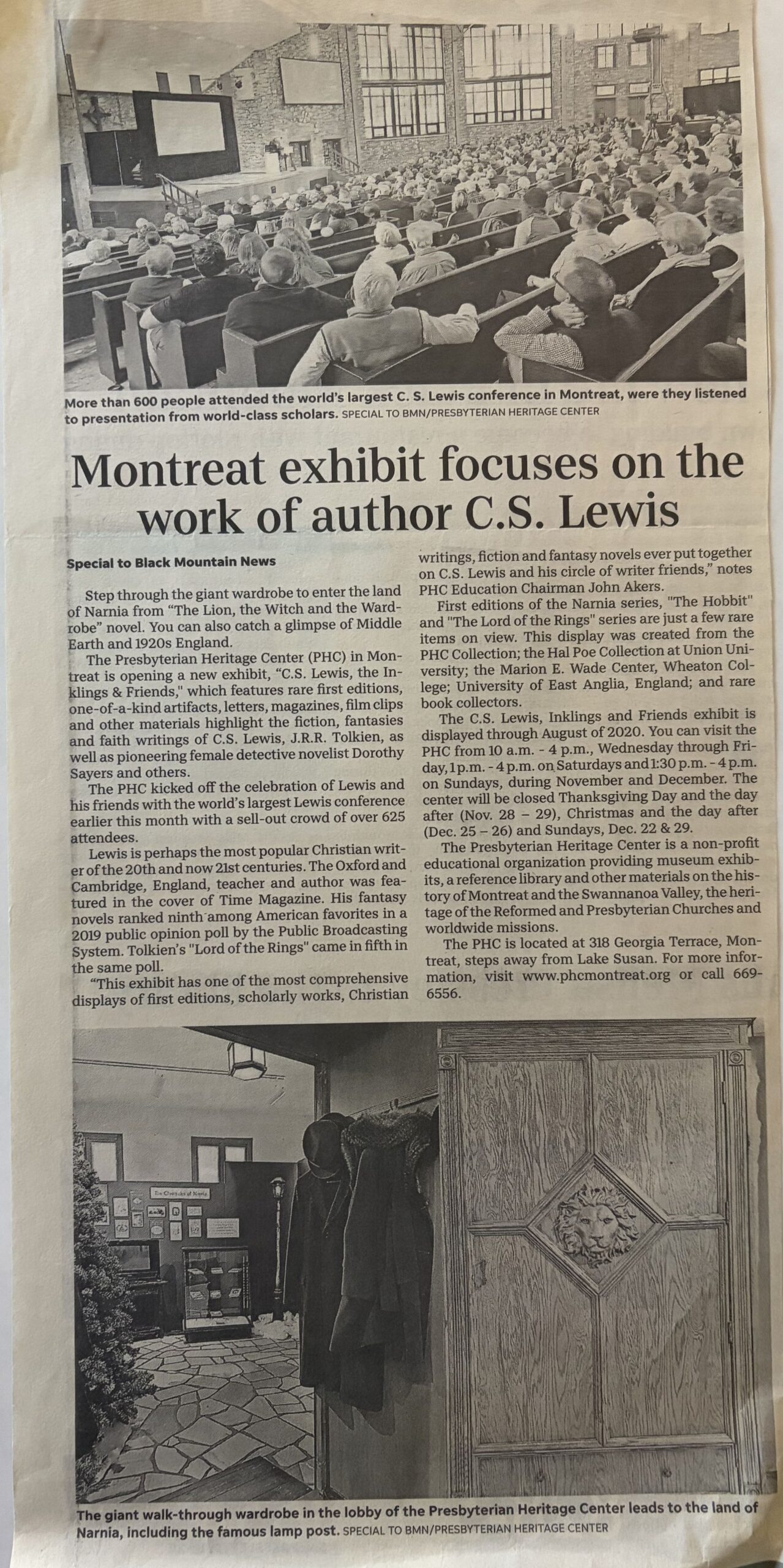
Ron: Remarkably, we have stayed very tightly focused with little change. If you look at our exhibits, they fall into our main objective categories: history of the Presbyterian church, worldwide missions, and Montreat and the history of Western North Carolina. The Board has changed and we have fewer missionaries now. But that focus has lasted and stayed with us even after the missionaries retired and went off the Board, We’re having a Mission Conference next year and we just opened a primary lobby exhibit, Missions in a Changing World.
We’ve always tried to honor what our original charges were. We’re richer in materials to display than we were 15 years ago. In fact, a former worker at the Historical Foundation came to the PHC and said “How do you get all these people to donate pictures and artifacts and manuscripts that we used to have to struggle to get anything from anybody.” I said “we ask, we court, we develop”. The John Mack Walker carvings were not originally owned by the PHC, they were owned by the family. And they were extremely popular. We continued to display them on a rotating basis for eight or nine years as a temporary loan while we continued to talk to the family and put on special displays and lectures. Finally, we thought it was time and we talked to the family about making the temporary loan permanent and they said yes.
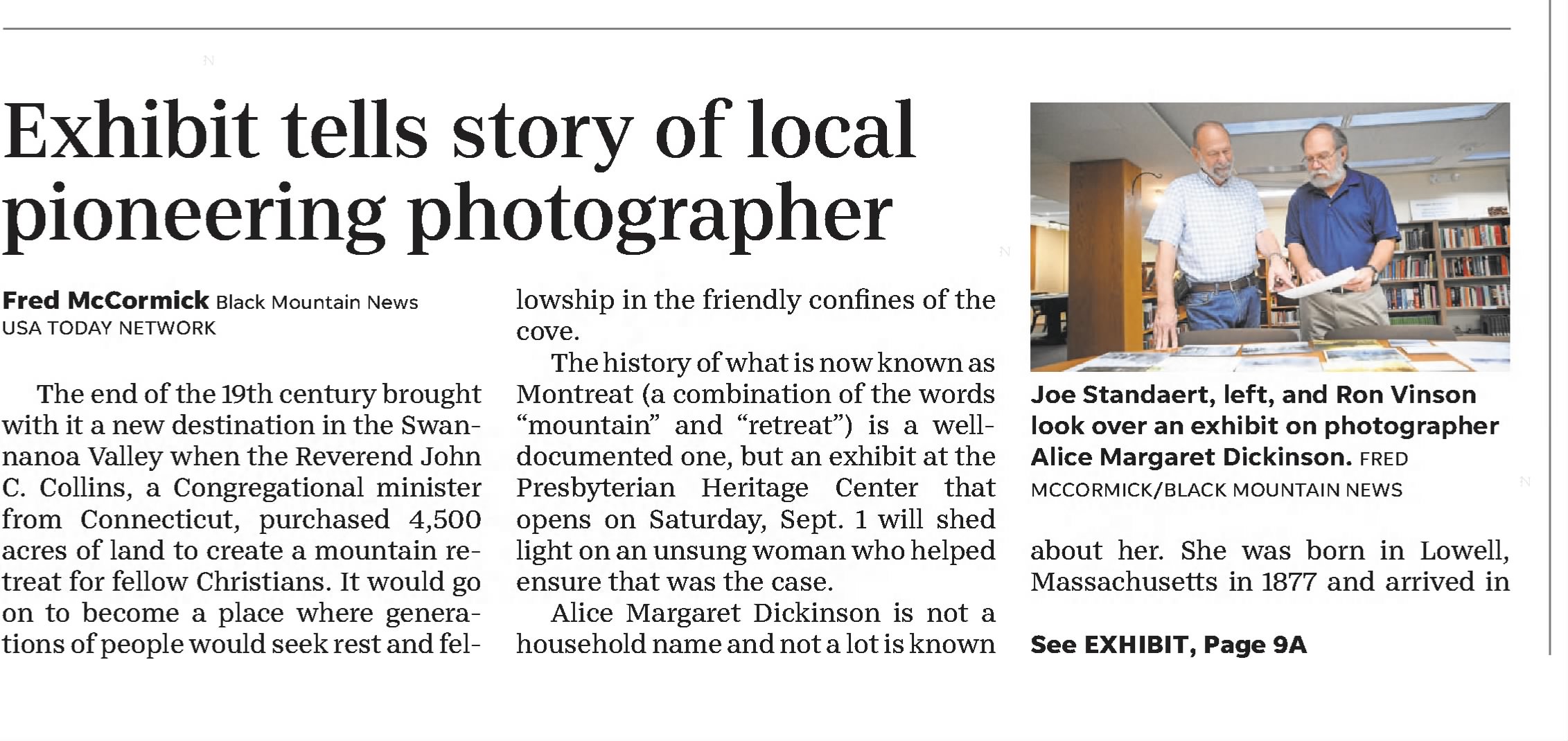
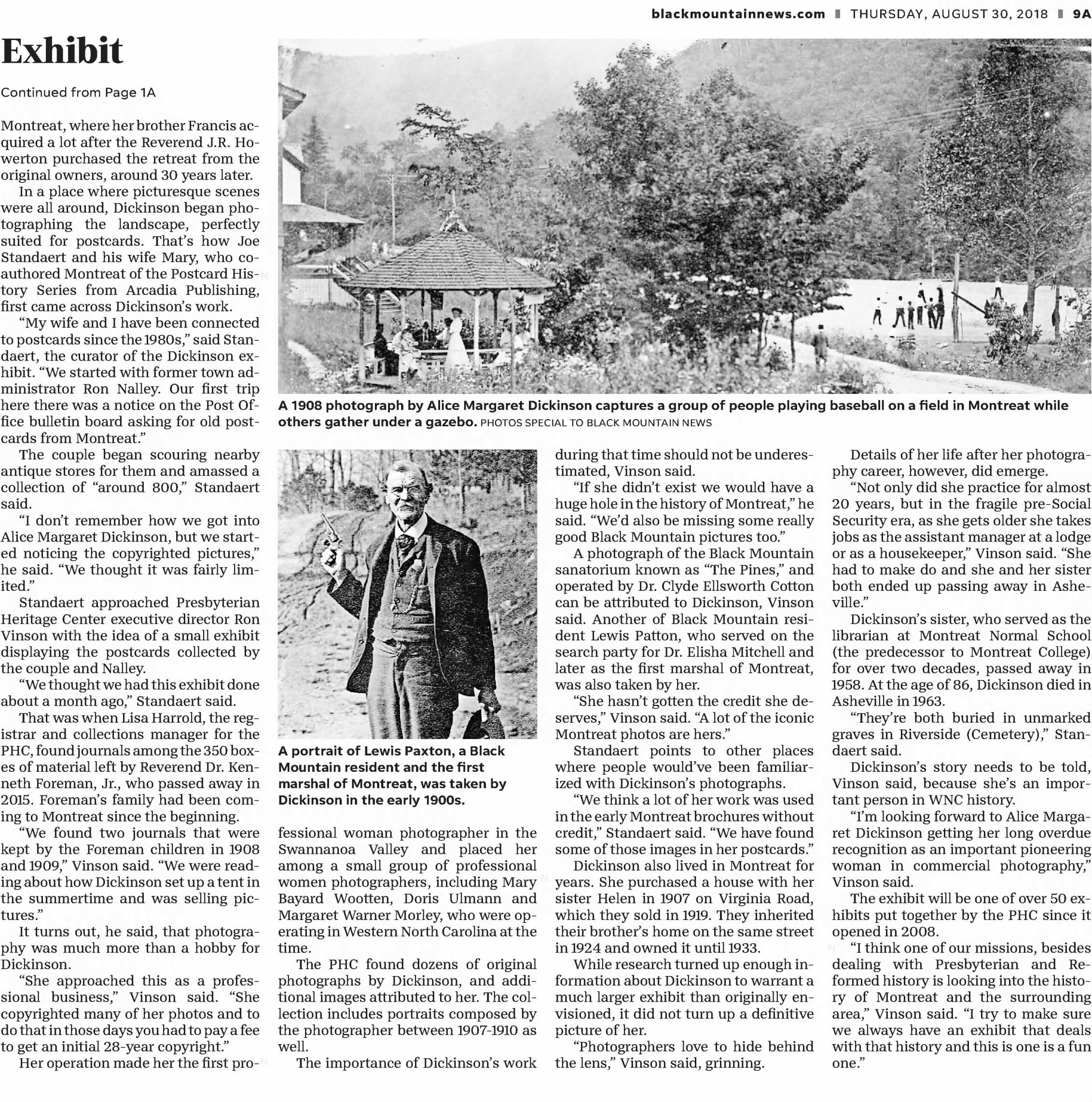
We’ve also changed by doing a much better job on research. Digging into actual facts that relate to many things. As an example, we had some picture postcards floating around here of Montreat in the very early days. Initials were on the postcards- “AMD”. Turned out to be Alice Margaret Dickinson. We checked with the NC State Archives, and they had one of her pictures. She came to Montreat from Massachusetts every summer for a number of years until she moved here. She was a niece of Emily Dickinson and lived in a house built by her uncle not far from here. We then did research on her. NC State Archives didn’t have any other information on her, so we started digging into her entire life history. We contacted the Library of Congress, and they had two photos of her. So, we kept digging. After that effort, we ended up with 75 of her photos in our collection and an oil painting of hers I bought off E-Bay for $75. This is an example of original research that tells a story that no one else has been able to tell.
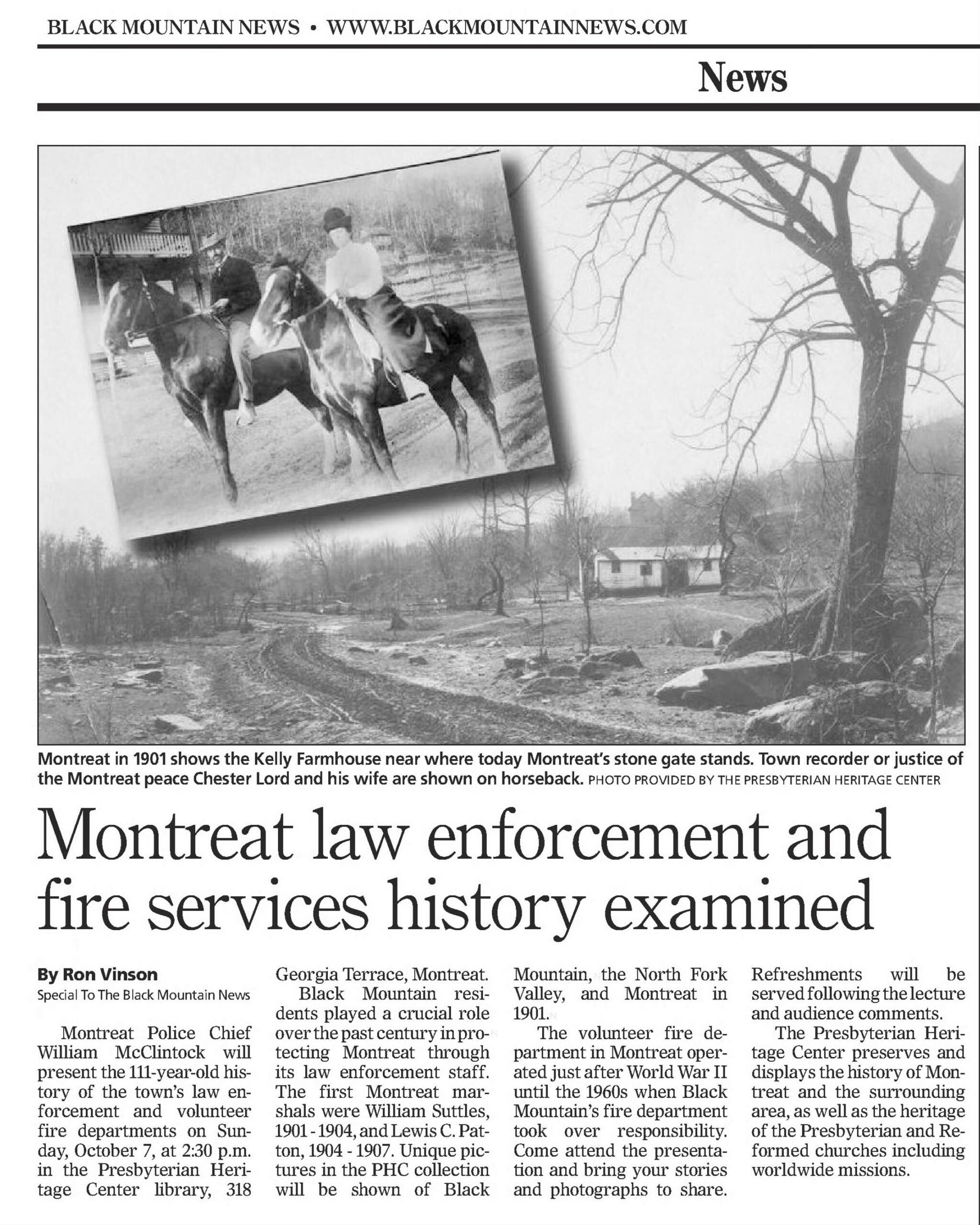
The same is true with our in-depth research on Montreat. I would say that today we have doubled the information and knowledge about Montreat from when we started in 2007. Often, MRA turns to us for historical information. We’ve sorted out and corrected facts such as the internment of World War II axis dignitaries. There was much incorrect information about the facts, and we dug into it and corrected it. I’d say we’re doing an interesting and valuable job if you value history, your heritage and learning about what goes on in this town.
What all this says is we have arrived as a major museum. We’re still run by part-timers, but we do a pretty interesting job I think.
TW: How would you characterize your personal focus in the first third of your tenure at the PHC versus the next third and the last third?
Ron: The first third was getting the product, getting the exhibits pulled together and building an assembly time frame for getting them done. The first exhibits were a bit thin- they looked good, but we didn’t do a lot of original research, just didn’t have time. It was limited. We had about three others during those first five years, then began adding people to be registrars and curators and other kinds of activities. We hadn’t started cataloging of materials. It was all about getting open, getting some displays up, being innovative,
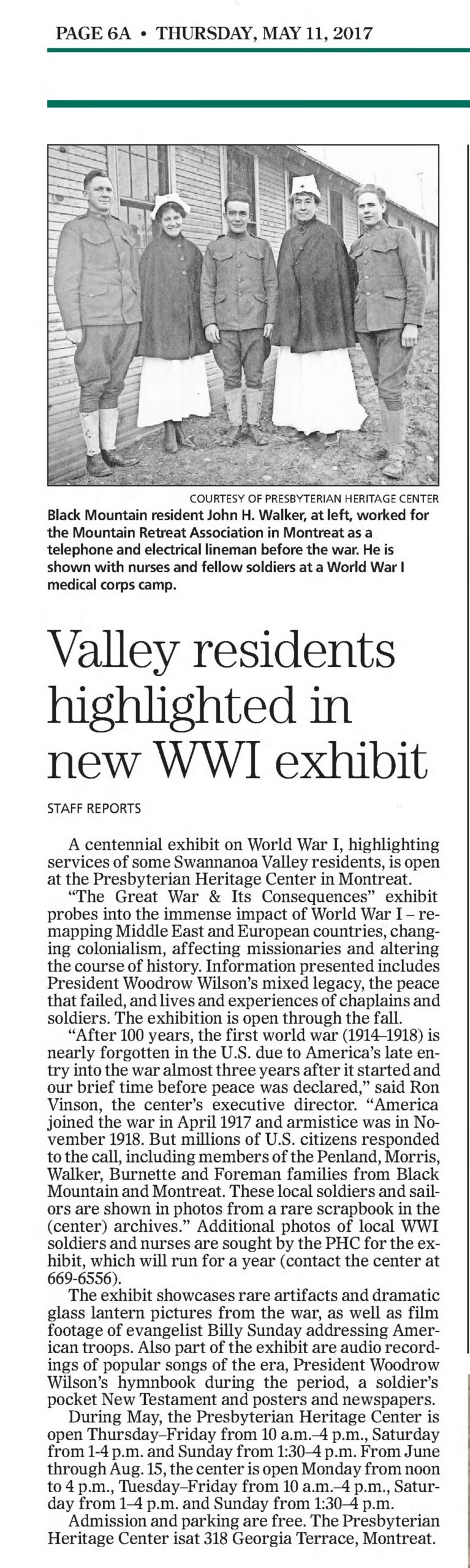
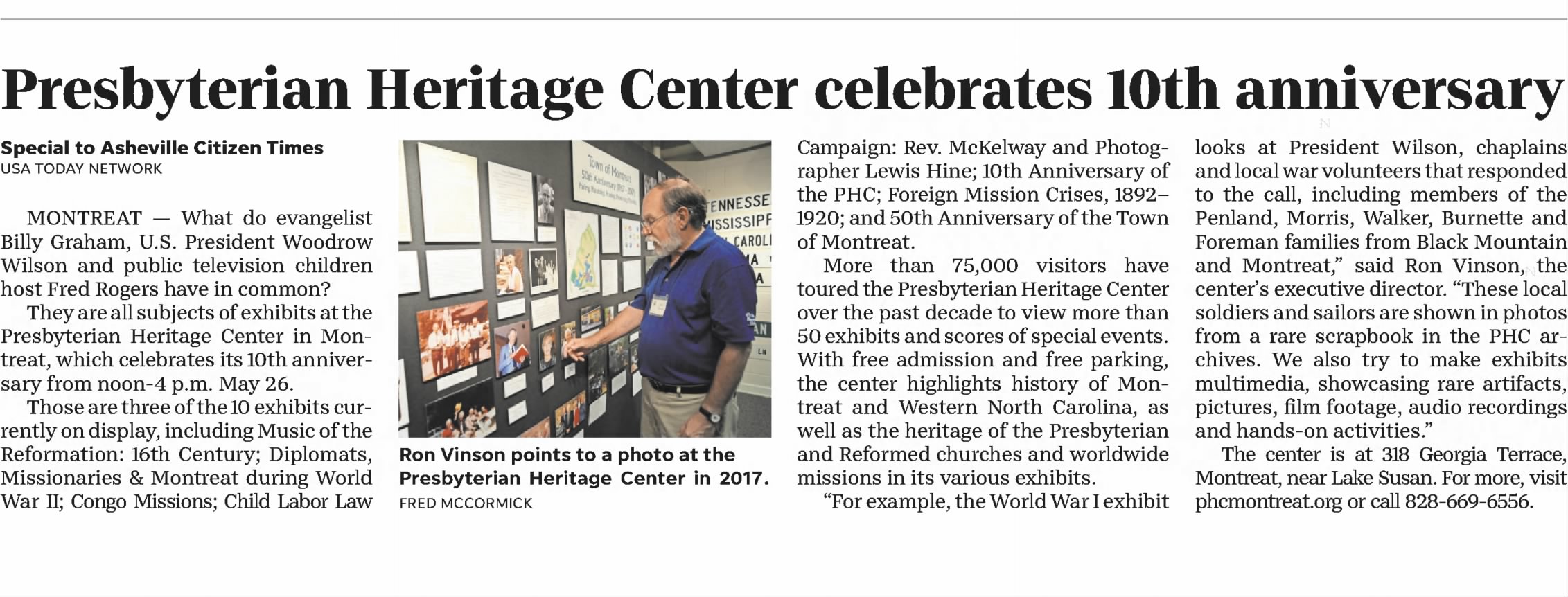
The second five years we began hitting our stride with exhibits. They became a little more focused, a little more in depth. We exploded with the numbers of exhibits. I believe we have done more than 60 original exhibits in 15 years- unheard of in the museum world. Many museums rent traveling exhibits. So, it’s unusual to do original exhibits to this degree. Part of the reason is that we pick topics that are off the beaten path. During that five-year period, we had some blockbuster activities. It was a maturation of the process, research, building depth, speaking opportunities, putting on more staff.
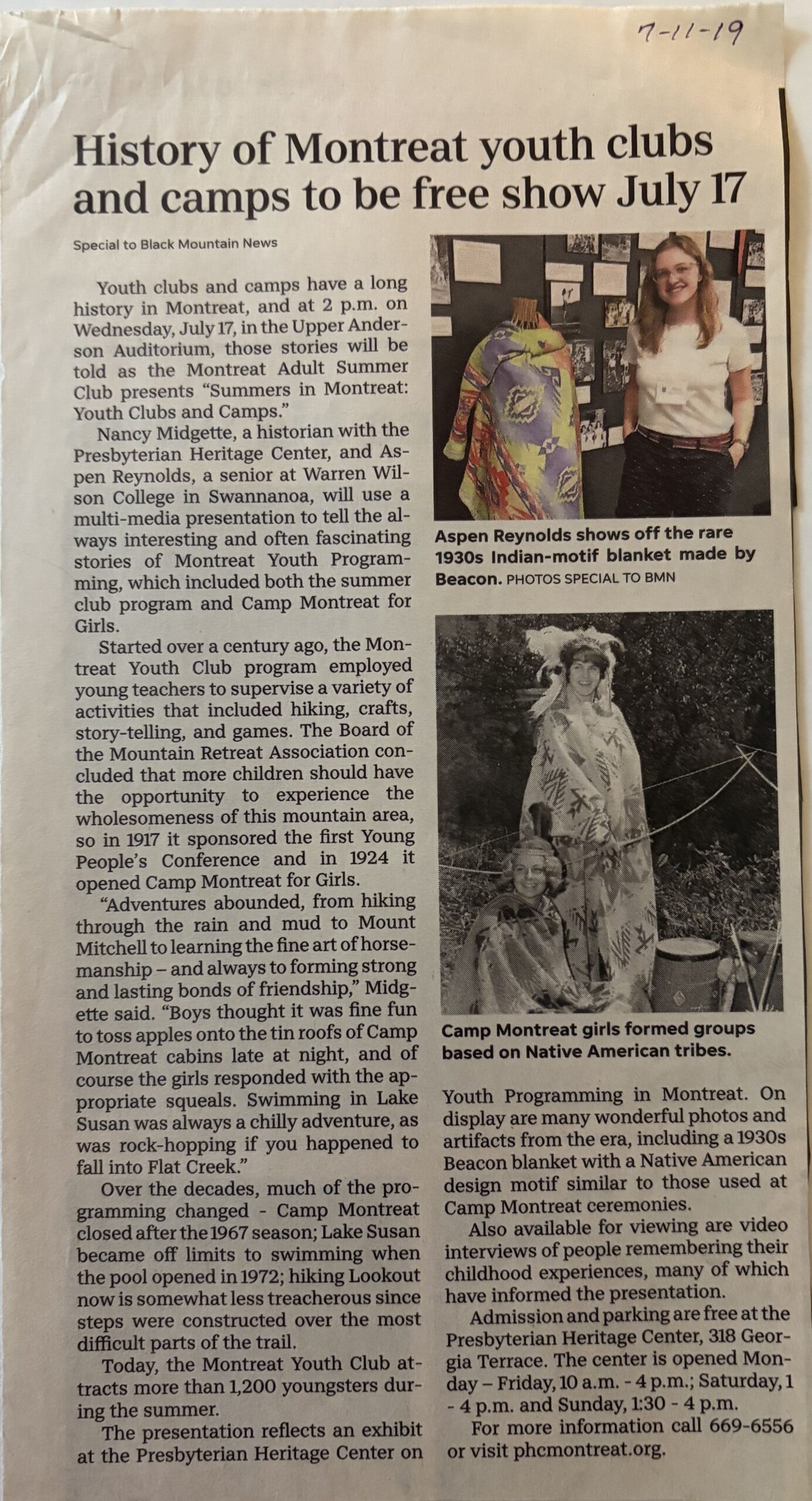
The last five years I put down to IT opportunities and challenges and really hitting our stride in being a major research operation. I think the current exhibit on Native Americans and Presbyterian Mission is probably our best exhibit we’ve ever done research wise. For example, the exhibit explains how the Presbyterian missionaries were trying to help the Native American tribes keep their culture- helping the Cherokee tribe start a Cherokee language newspaper, translating the Bible into Cherokee, developing hymnals in native languages—all this while the Federal government was trying to eradicate Native American culture. We deal with some of the tough issues. We point out the good and the bad and the questionable. I’ve always told staff we’re here to find the current view and truth of history. History has a habit of changing the viewpoint of certain events based upon new discoveries. We’re open to that. We try and cover the environment as we can discover it whether it is good, bad or indifferent.
TW: What has been your biggest challenge as Executive Director?
Ron: Raising enough funds to put a program together. Compared to the old Historical Foundation, our budget is probably one sixth of their budget. But they had a lot of full-time bodies and did a lot of archival work. That is expensive work. So, we have done a positive job in getting a lot for our dollar and returning a good product for those who support us. But that is a significant challenge. We were born during the great recession of 2008 and our first four or five years. We have an excellent and sustainable program. We haven’t grown too fast but have been very “Scottish” Presbyterian conservative trying to make sure we are able to continue serving our public. I’ve insisted that we have cash in the bank, and I have tried to make sure we have eight months of operating funds in the bank before the year starts. That means the PHC has been able to cruise through financial difficulties and problems that society has had to face. When COVID hit, we didn’t have to lay off anyone, we continued to serve our people, we maintained and actually increased our cash reserves. I’ve been proud of our financial stability, but it has been a challenge from the beginning.
Here’s another challenge: COVID itself. How do we keep staff as healthy as possible. For a while there I thought I was working for the CDC because I was ordering so many personal protective supplies that were made in America. Air circulation was increased. It was very concerning for me for the staff’s health. I was able to stay healthy for two and a half years, but then finally succumbed, but recovered well.
And one more challenge. We are at the stage where we are becoming a larger and bigger operation. I don’t think we’ll ever put ourselves in financial difficulty, but we are a small but active organization to continue our mature growth.
Personally, my biggest challenge is Parkinsons. I was diagnosed in early 2011 so I’ve had it for 12 years. In the early days I could do all the physical things like typing, graphics, mounting, and making it happen. Today, I need help. I’ve kept the Board apprised of my situation through the years. The good thing is I’m ambidextrous, which has bought me an additional five years. But last fall I decided that I’m reaching an age and a stage in Parkinsons development that it’s time to retire as ED and get someone else in here who can perhaps be of higher productivity for the next fifteen years. It’s deteriorating at a faster rate than it used to be. But I feel OK about it. With all the organizations I’ve worked with, I have felt I left them better off than they were when I came in. I’ve built the staff up so we have enough redundant backup that if something happened and I would be incapacitated, it could operate well—as it did when I had a death in my family and I was gone for three weeks. The staff did a brilliant job.
TW: What has been the greatest accomplishment during your time as ED?
Ron: Hmmm. [Long pause] To have built an organization that works on very limited funds but has results that equal many of the major, nationally known institutions. We have put together a strong staff that is very supportive of the objectives of the PHC and treat it as a special endeavor. That can last beyond me and many of us. I think we are at a good place and have shorn up for development, how we operate, and how we do exhibits, conferences and other activities. [Long pause] It’s not magic, but it sure seems like it when people come in and see what we look like.
TW: Is there a particular incident that will always stand out in your mind as you reflect on your time as ED?
Ron; There are several… We did a 500th anniversary of John Calvin exhibit. One afternoon a teenage girl and boy came in and they said, “There’s an exhibit on Calvin here?”. They came to the exhibit and seemed reluctant. I’m sure their youth coordinator told them they had to come! They looked at the exhibit and they read and read. The young girl got her cell phone out and called her friend who was with the larger group. The girl said, “You’ve got to come over to the Heritage Center and look at this exhibit. It is so cool.” I thought to myself, “that’s the first time in 500 years that John Calvin has been labeled cool”.
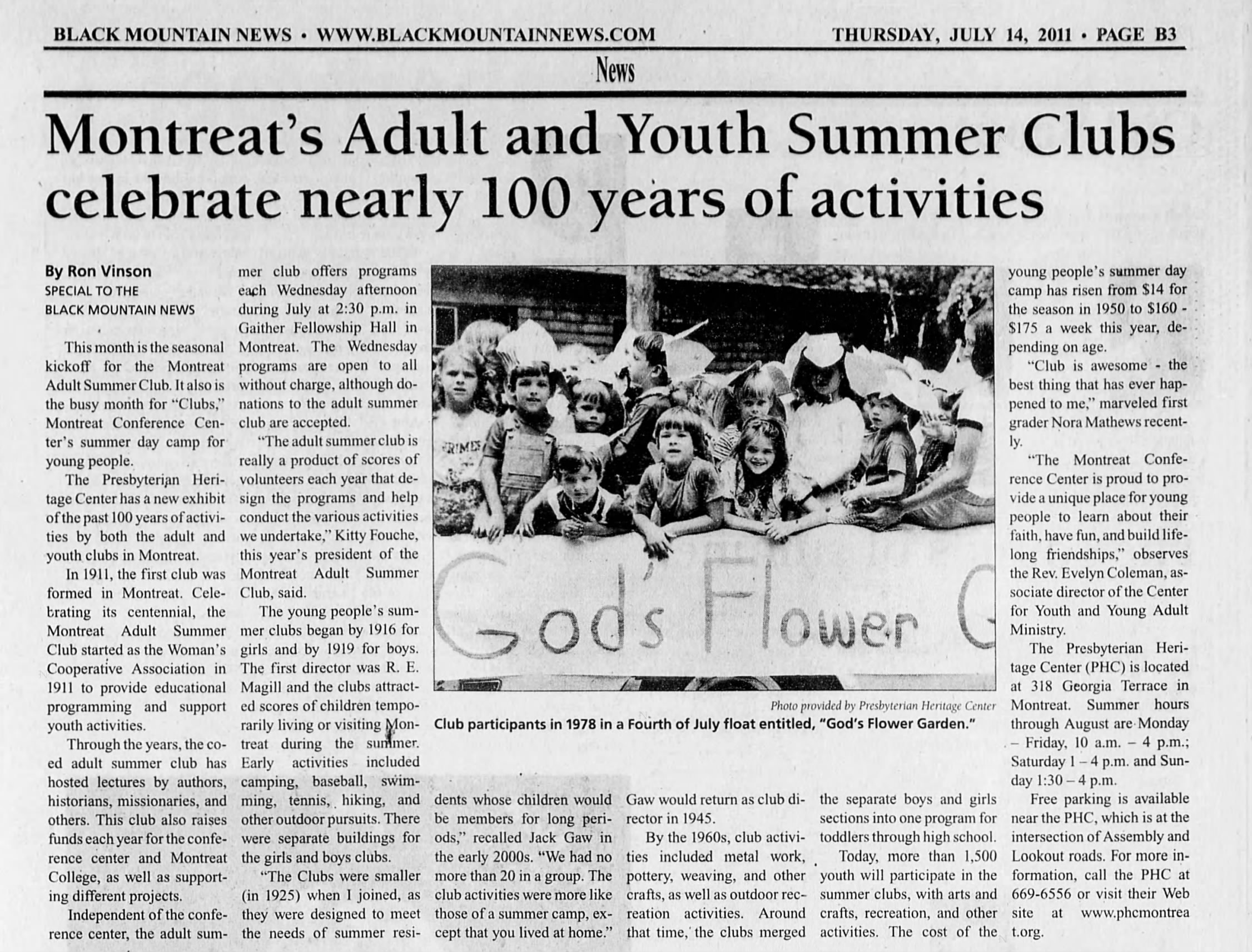
The second incident is about seven years ago, just after we did the English language Bible exhibit, we began hiring a summer seminarian to work with the Club program- lesson planning, devotionals, craft activities. The kids acted out plays and learned about how controversial the Protestant Reformation was. And we talked about people that were martyred. After the class was over, the seminarian asked the kids, who were about 14 years old, “What did you learn?” One young man got up and said, [Long, emotional pause] “I never knew so many people died so I could read the Bible.” Emotionally, it crashes me every time I tell the story.
Here’s a third incident: We work on exhibits two to three years in advance. In 2019, I found that Wes Cowan from Antiques Road Show and History Detectives has an auction house in Ohio. One night I was surfing the internet and came to his site. He had a wooden sign which said “Pineridge Presbyterian Indian Mission”. We don’t have a huge budget, so I didn’t bid on it. After the auction was over, I called Wes and told him about our Native American exhibit, and we would like to borrow the sign from the person who bought it. I would like to talk to them and explain what we want to do with it. Wes contacted the buyer. The buyer, Ann Fayles, called me and asked what we wanted to do with her sign. I told her about the exhibit and what we would do with the sign. We would borrow it for a year or two. She then said, “I basically bought it so I could protect it. I’ve been calling around trying to find a home for it. Would you like to have the sign?” I said “Yes!”. She said she’d pay for shipping. I then said “Double yes!”
The last one, I promise, is for the Civil War Chaplains exhibit, I found on E-Bay a picture of a Union chaplain. I bought it. We had his name and confirmed his role. We did research and found out he had been the northern Presbyterian Church missionary to India in the 1840s. He came back to the US just before the Civil War broke out. When the war started, he joined the Union Army as a chaplain. He then volunteered in 1863 to be a chaplain with the colored troops. He served there for two years. He then went back to India to finish up his duty as a missionary. We were able to find a picture in Harper’s Weekly of his doing the marriage ceremony of a black Union soldier and his fiancé. We retrieved what was lost in history of who this person was. Now, when people want to take a look at Joseph Warren, he doesn’t just disappear. We have his whole story, we have his pictures, we have his Harper’s Weekly article, we have his records. We gave new life to someone who certainly had served faithfully his religion and his country. Otherwise, no one would know it. That’s the kind of thing I always like to make an impact. That’s our slogan, “Honoring the past, informing the present, influencing the future.”
TW: What are your hopes for the PHC in the years ahead?
Ron: My hope is that it continues to build support and build a cadre of advocates for why history is important and why Presbyterian history is definitely important. Not only to the people in Montreat, but to the people in Presbyterian and reformed churches worldwide.
Secondly, I wish it the very best and hope that it continues to innovate and grow. The problem of a successful launch of an entity is that when you get a run of good results, it’s hard trying to replicate it. You have to be willing to make changes. You have to be willing to say, we have done that, but you can’t always do it that way forever and you don’t need to get locked in. There are new technologies that will come, new ways that museums will interrelate with people. We have so much to offer, I really hope we can hit an ongoing effort at educating young people and adults.
TW: How will you spend your time in your next phase of life?
Ron: I must have attention deficit disorder! I have so many interests in life. I have been a stained glass maker, I am a carpenter using antique tools, I play golf. I love many things and am always interested in other activities. I have never had a problem staying busy. I will continue my company CSII and will move into a phase of doing consulting for people. I had a friend one time who was always busy with new things. I said to him, “How do you do it every day?”. He said, “Ron, I’m an intellectual flirt.” So, I decided at that time that I was going to be an intellectual flirt also. There isn’t anything that doesn’t make me at least interested. I have never been a single-focused individual in my life and will certainly not be in the future.
TW: Thank you for your time. I loved your passion and your examples. It is a great story.
Ron: Thank you. It was fun to recollect in this way.


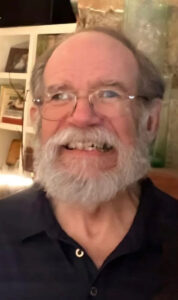 Ronald William “Ron” Vinson